1.Artist or Immature?
Before the emergence of AI, people imagined artificial intelligence as something that would help humans get rid of tasks they did not want to do—washing clothes, cooking meals—so that people could have more free time to engage in artistic creation.
The reality, however, turned out to be quite the opposite. When AI began producing astonishing images, people suddenly found that AI appeared to behave more like an artist than a servant performing physical labor.
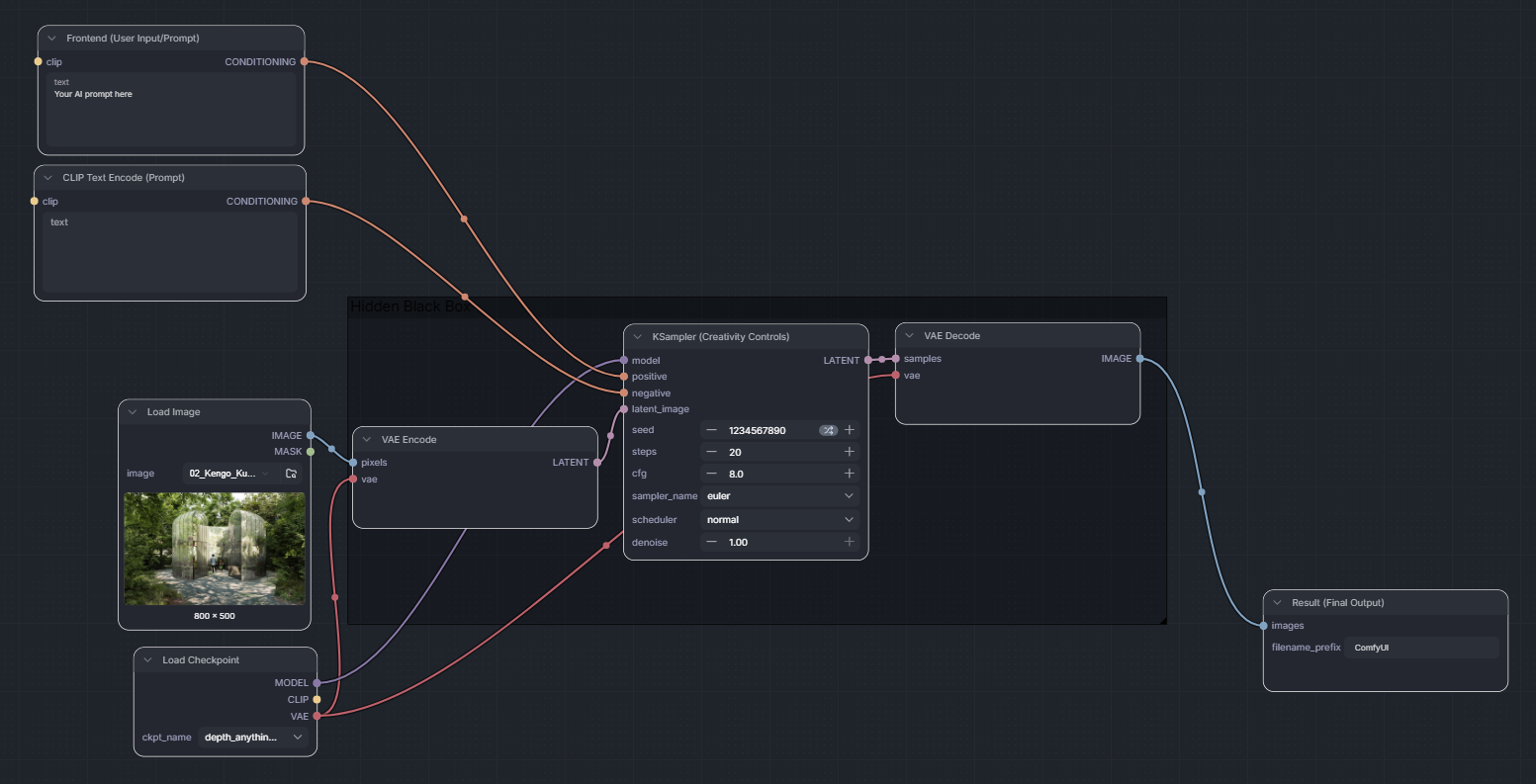
Through hands-on experimentation and research with locally deployed AI systems, it becomes clear that this perception largely stems from the current black-box effect of AI. When opening almost any AI interface, one encounters a simple dialogue: What do you want to do today? What are you thinking about today? The user enters a prompt, and the AI immediately returns an answer.
This interaction easily creates the illusion that AI is responding like a human—thinking and answering in real time.
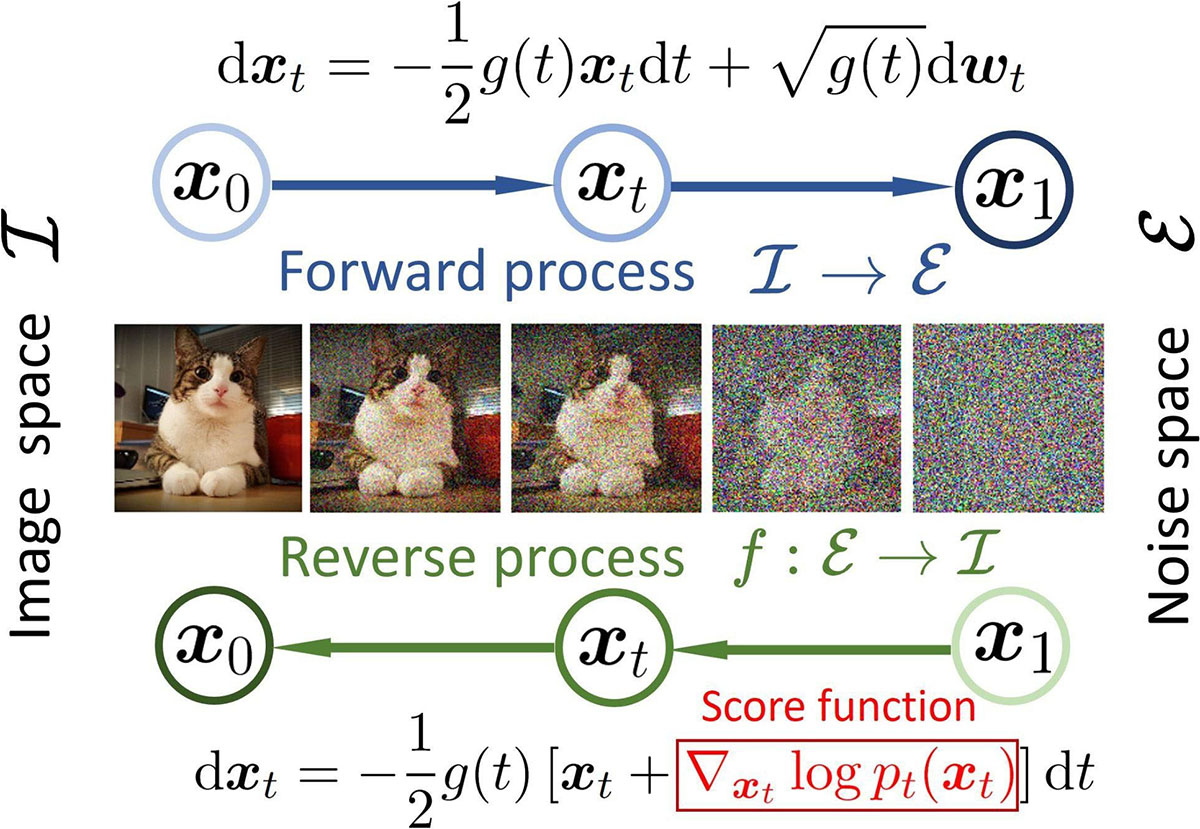
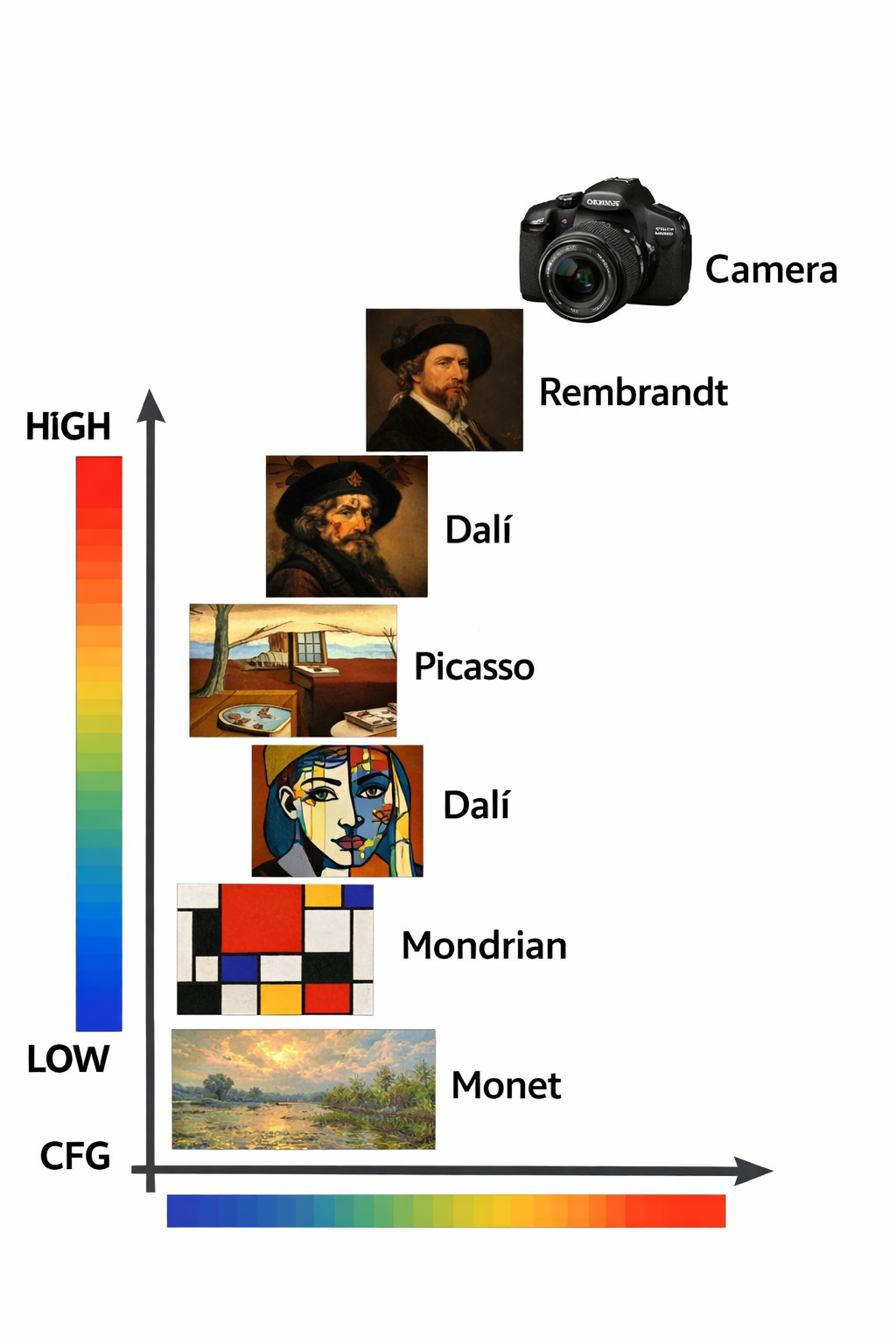
However, once we examine the diffusion principles behind AI image generation, this illusion begins to dissolve. What appears to be an instant response is in fact the result of massive amounts of repetitive, mechanical learning combined with powerful computational resources. This is particularly evident in image generation, where parameters on the output side directly influence visual style.
Returning to the diffusion model, we can see that different levels of diffusion and encoding produce different results. When all parameters are pushed to their extremes, the output becomes a generic and uninteresting image. What people perceive as “artistic quality” actually emerges from the process of calibration and adjustment.
More importantly, from the perspective of creation, the decisive factor is what the human inputs at the very beginning—the prompt.
So, is AI an artist?
No. AI is a pen that understands every style.
2.Has AI Replaced Design? NO, no design no result.
From the perspective of architectural design, what we deal with is neither the simple arrangement of words, nor the task of making a portrait look vivid and lifelike. Architecture operates within a complex field of constraints—site conditions, economy, function, regulation—seeking an optimal solution under multiple, often conflicting factors.
From this perspective, if AI is to replace designers, even optimistically speaking, that moment has not arrived yet.
I raise this question not because AI already designs, but because in practice we sometimes adopt a mindset that AI can solve this problem for me.
As illustrated in this example, if we simply feed AI a diagram with functional zones and expect it to generate a master plan that is still vague even in our own minds—by writing a prompt such as “please generate a master plan based on my sketch”—the result is predictably unusable: a literal translation of text into green patches of grass.
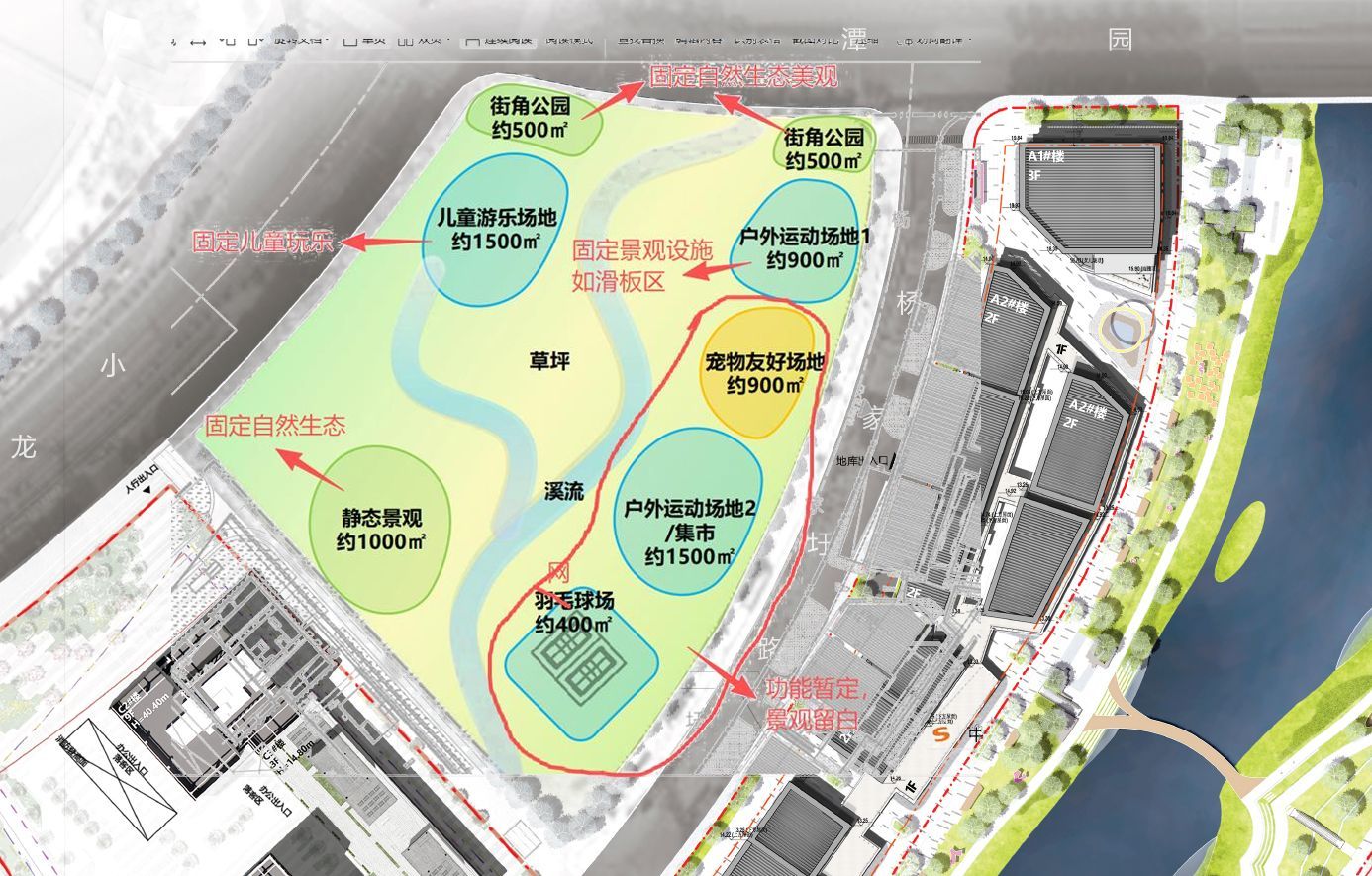
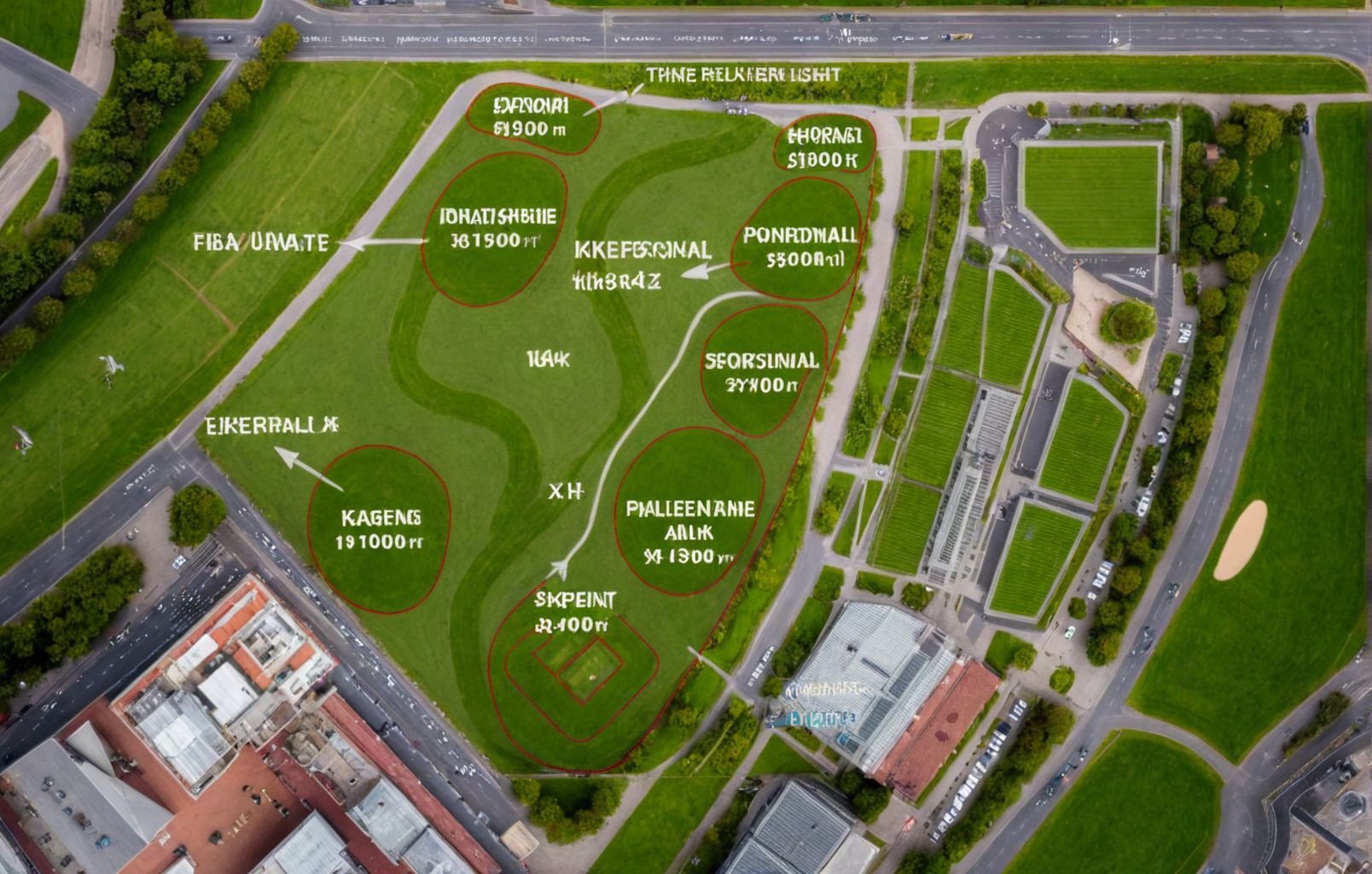
This is not because AI fails to understand what we want. It is because, as discussed earlier in relation to diffusion models, AI only responds to patterns it has learned. Only when we speak in a language it recognizes—its learned “spells”—can it produce the objects we expect. This is especially true for image-generating AI.
Therefore, the prompt must instruct the AI to read the image and describe, as precisely as possible, the actual objects involved: a small garden, a skate park, a botanical garden, roads, water systems, and even urban furniture. Only then can the reverse diffusion process generate corresponding images.
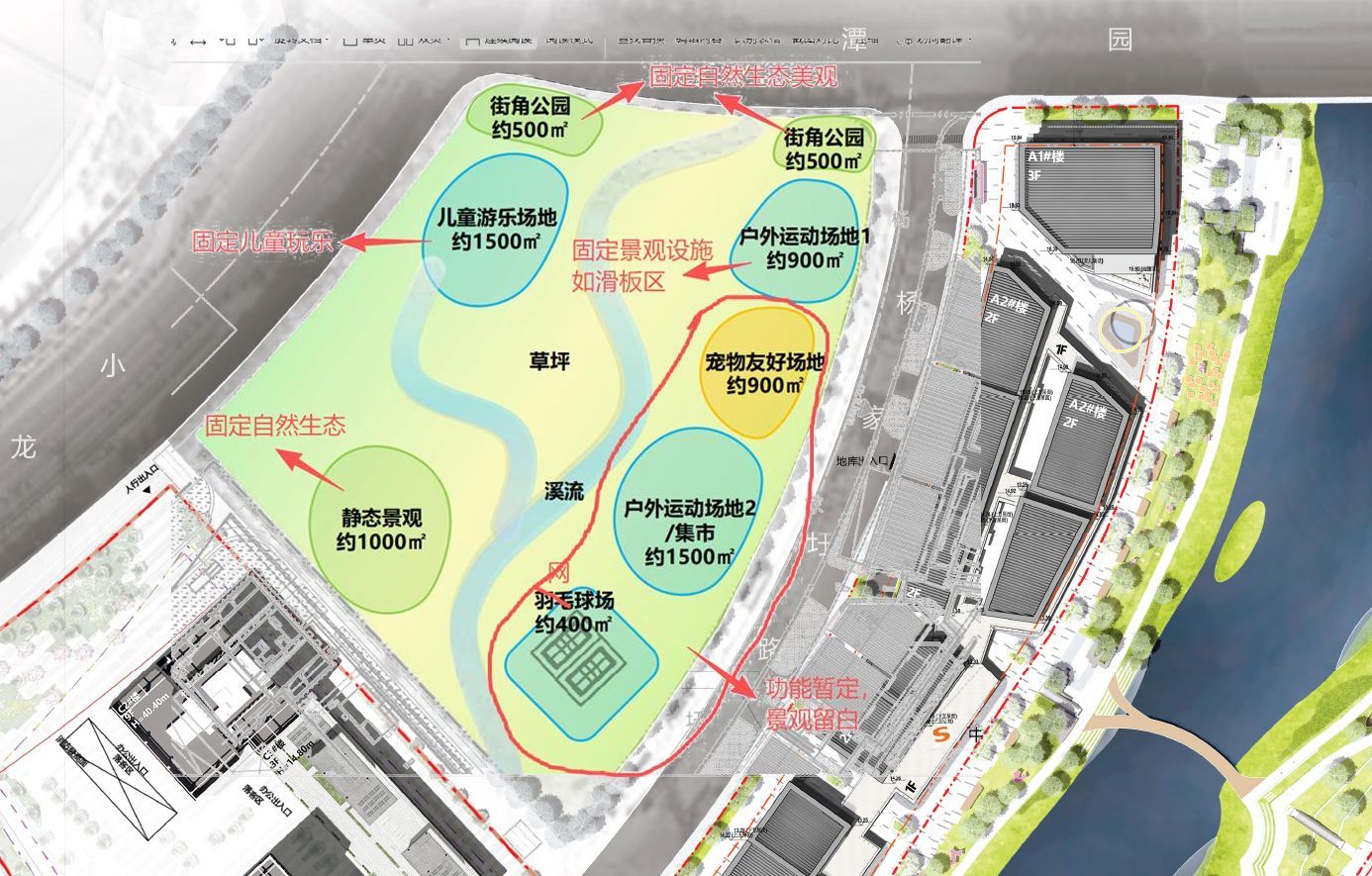
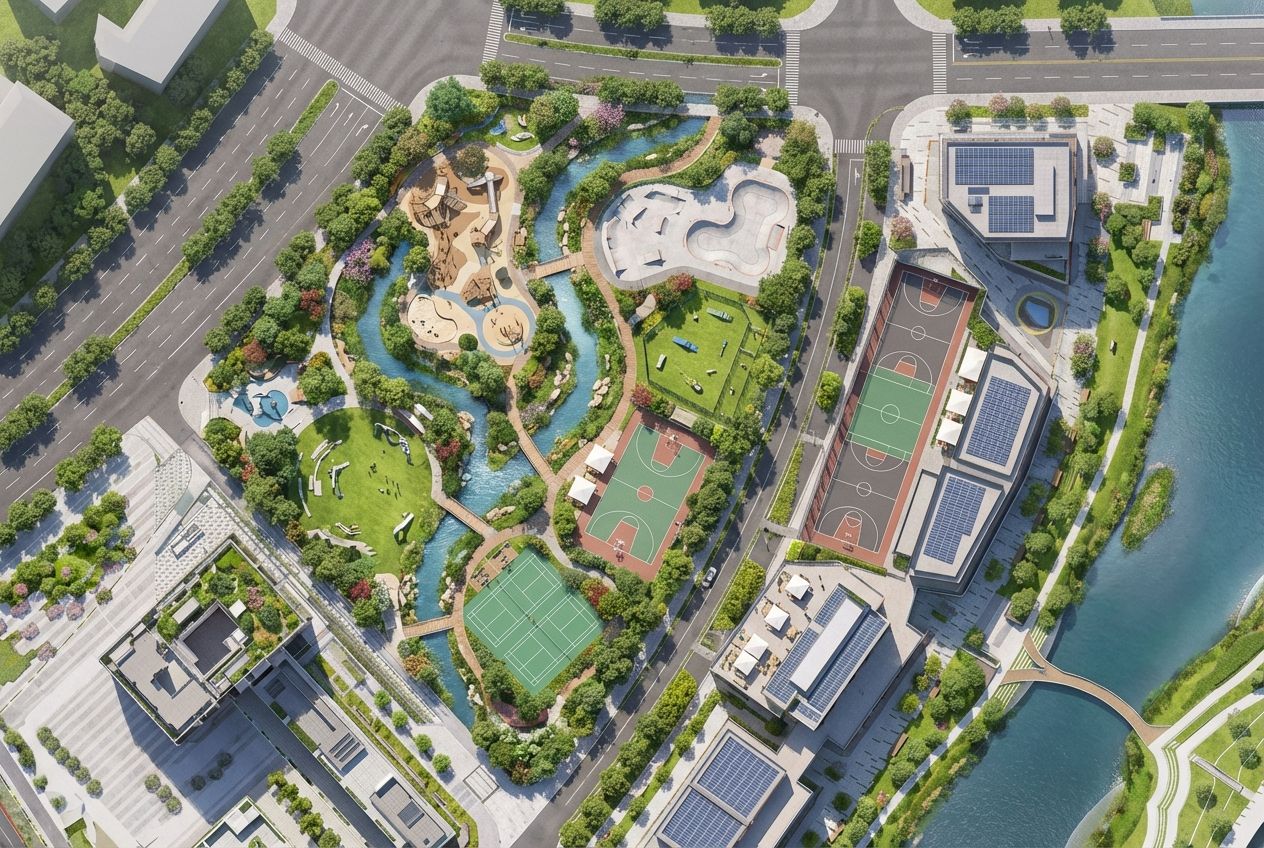
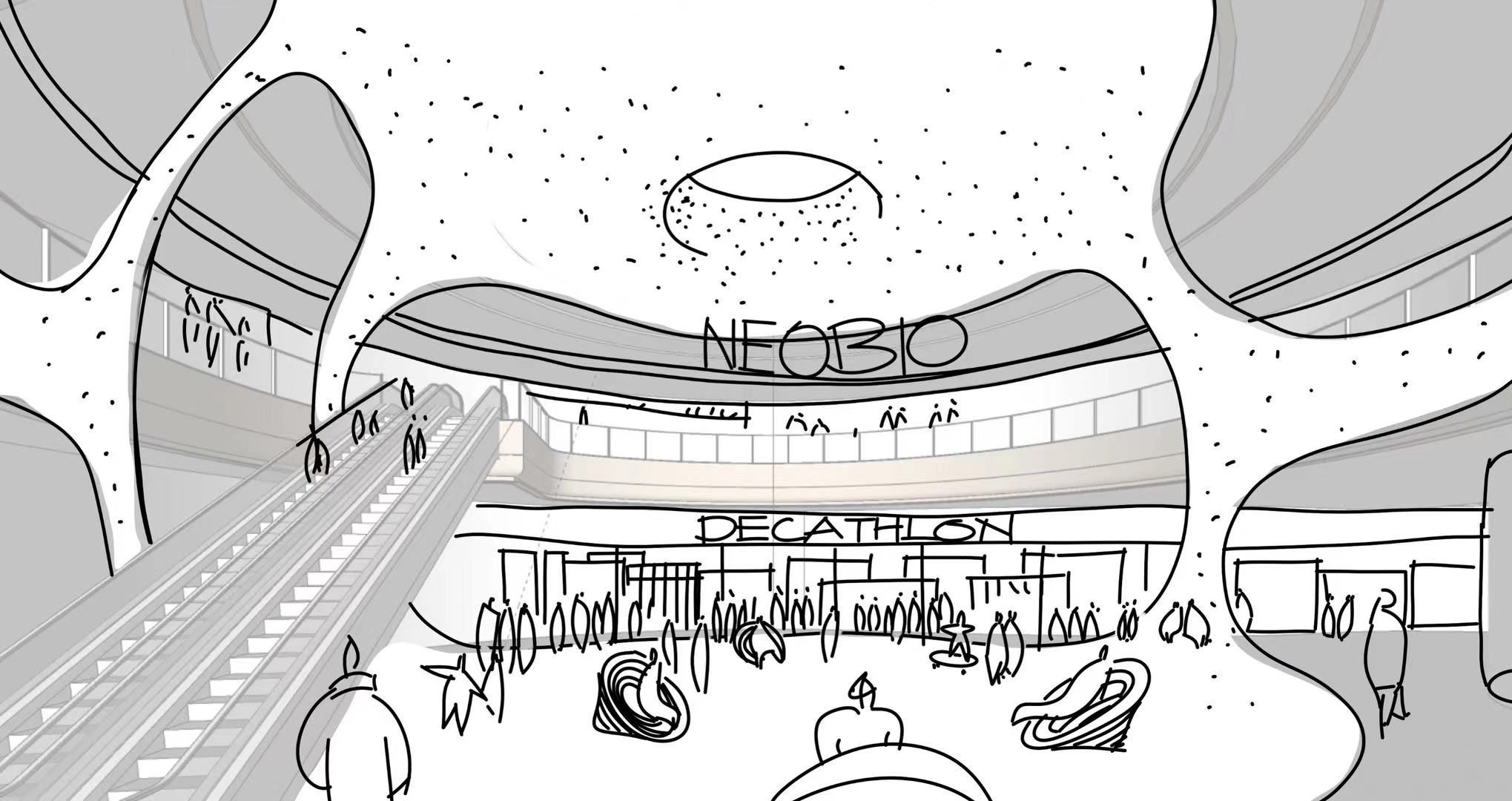
The alternative approach is demonstrated in the second example: building these elements explicitly through sketches or models. In this case, AI receives richer and more accurate information, allowing it to generate results that are far more usable.
What we feed into AI must be our design—not merely a list of requirements.
3.Fake or Real? Must show the design.
The first critical scenario designers face when using AI often looks like this:
a designer proudly tells a client, “This is a house we designed for you using the most advanced AI.”
From the client’s perspective, however, the reaction is very different. They have invested a substantial amount of money, only to be told that the result was produced by “running an AI on a computer.” Clearly, this is not a satisfying transaction. The client is unlikely to feel comfortable or pleased.
For this reason, in our actual practice, we use AI with great caution.
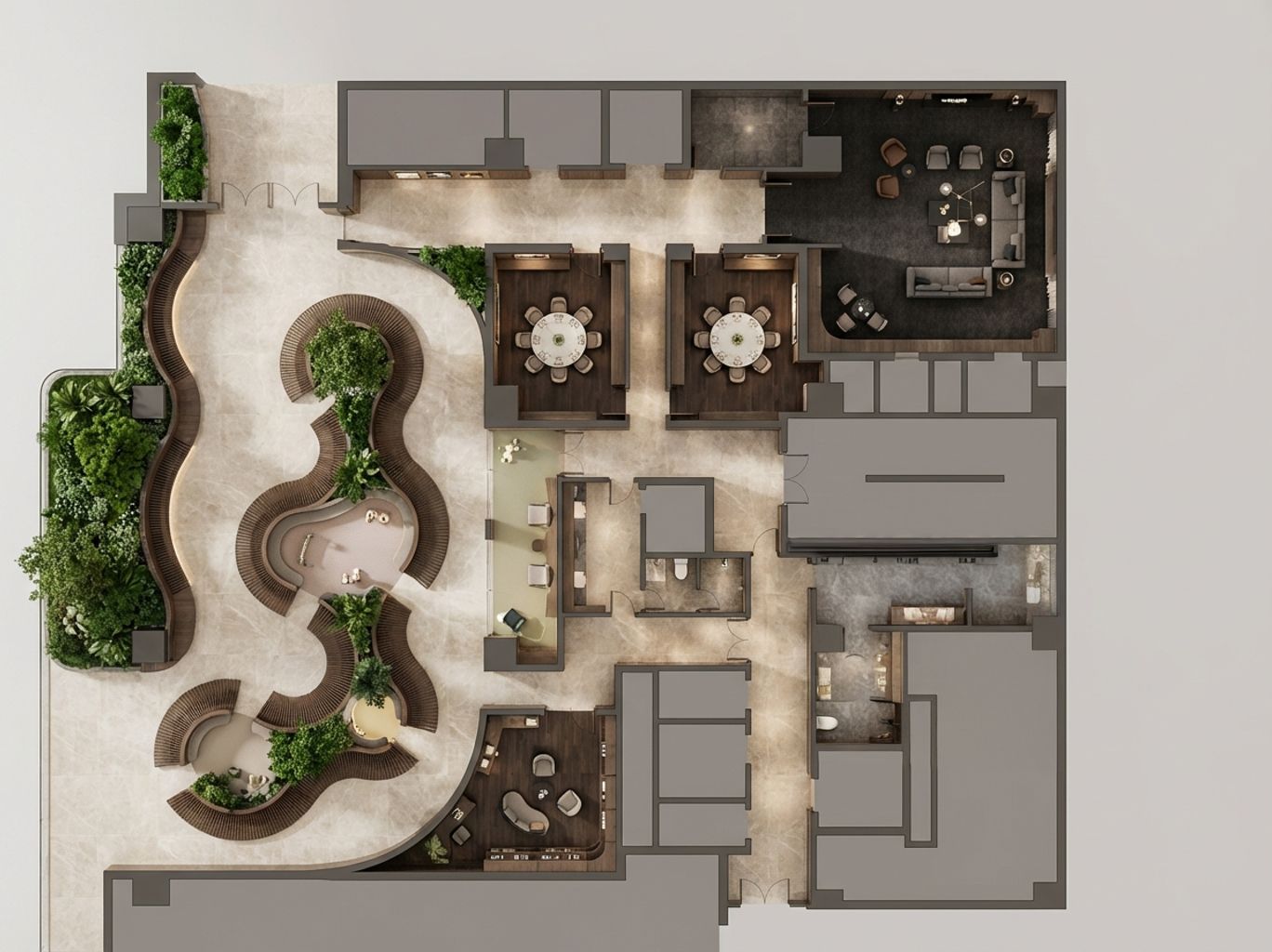

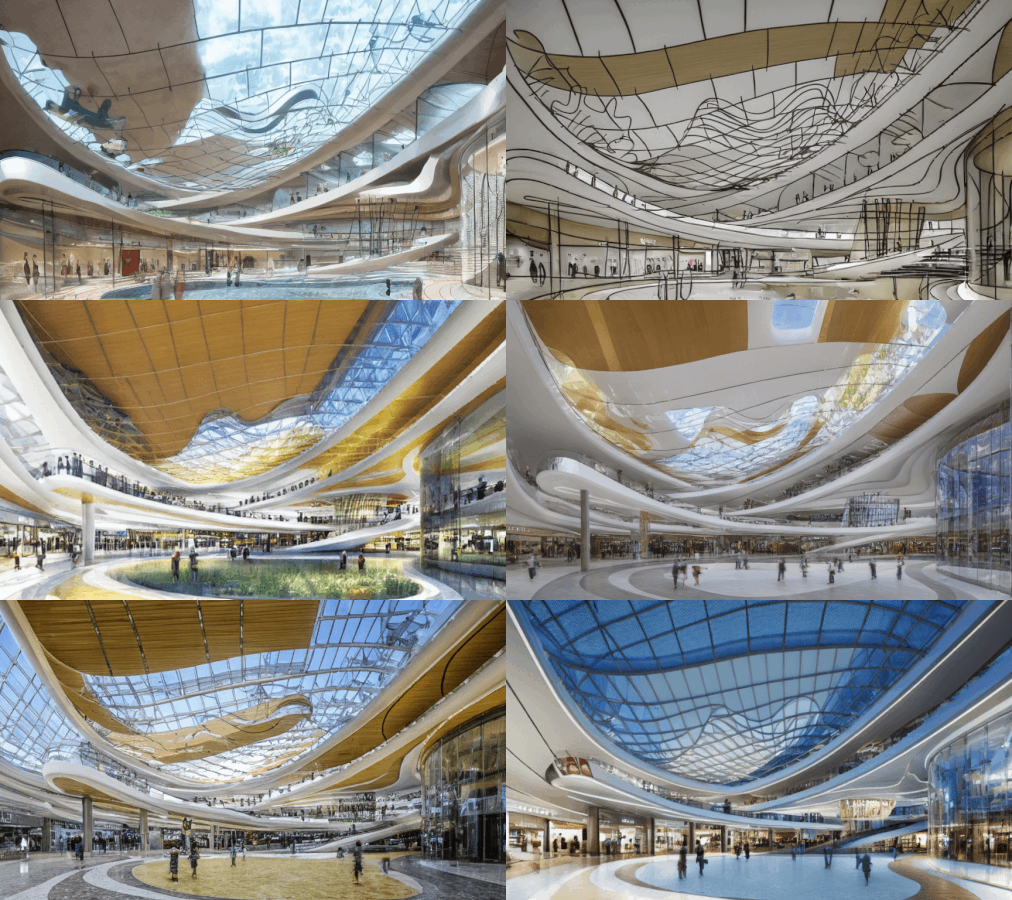

We use AI to unify different design proposals within the team into a coherent visual language—but only after concrete solutions for all spaces have already been developed. In this case, AI is applied as a final step of alignment and presentation.
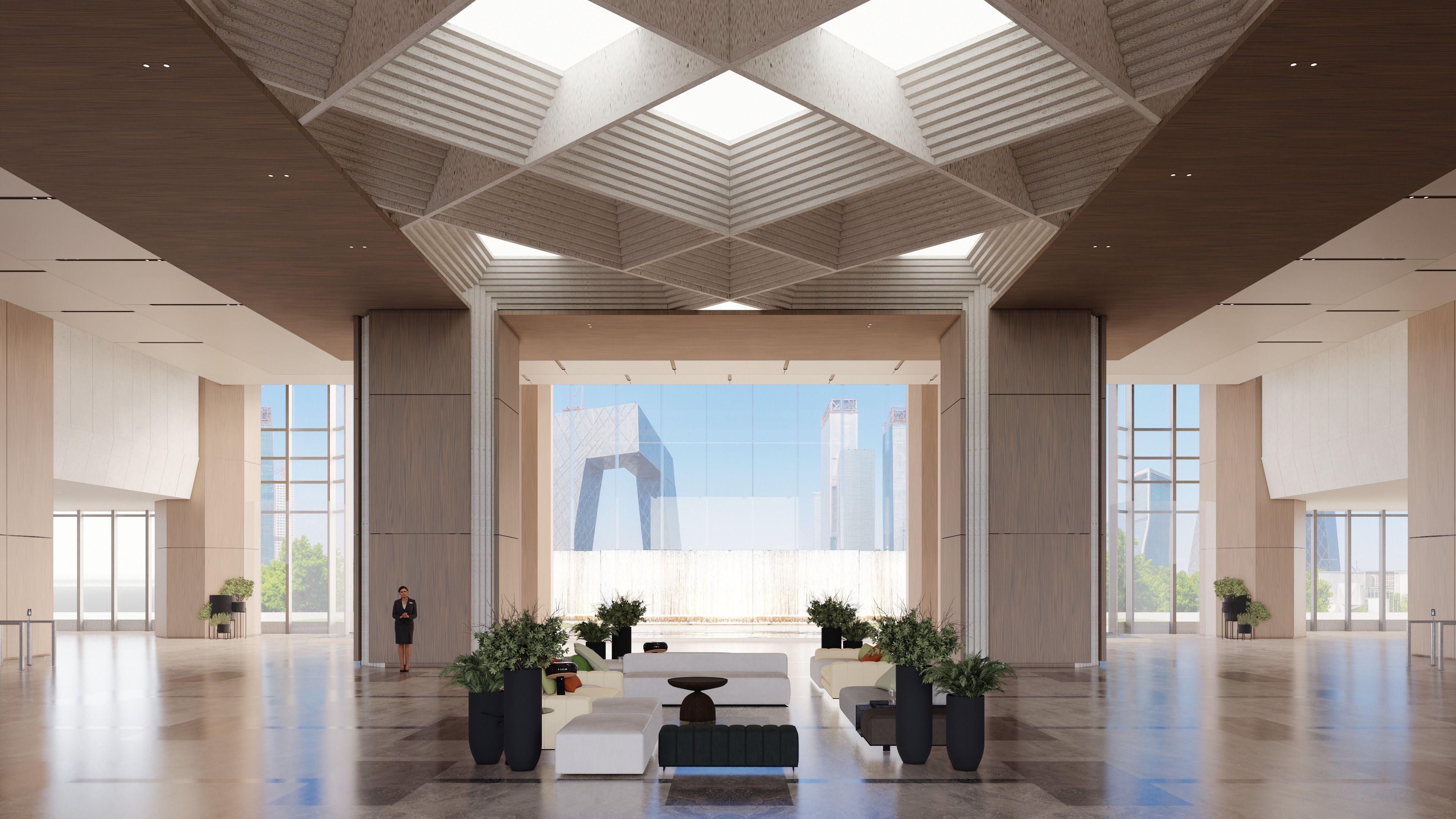

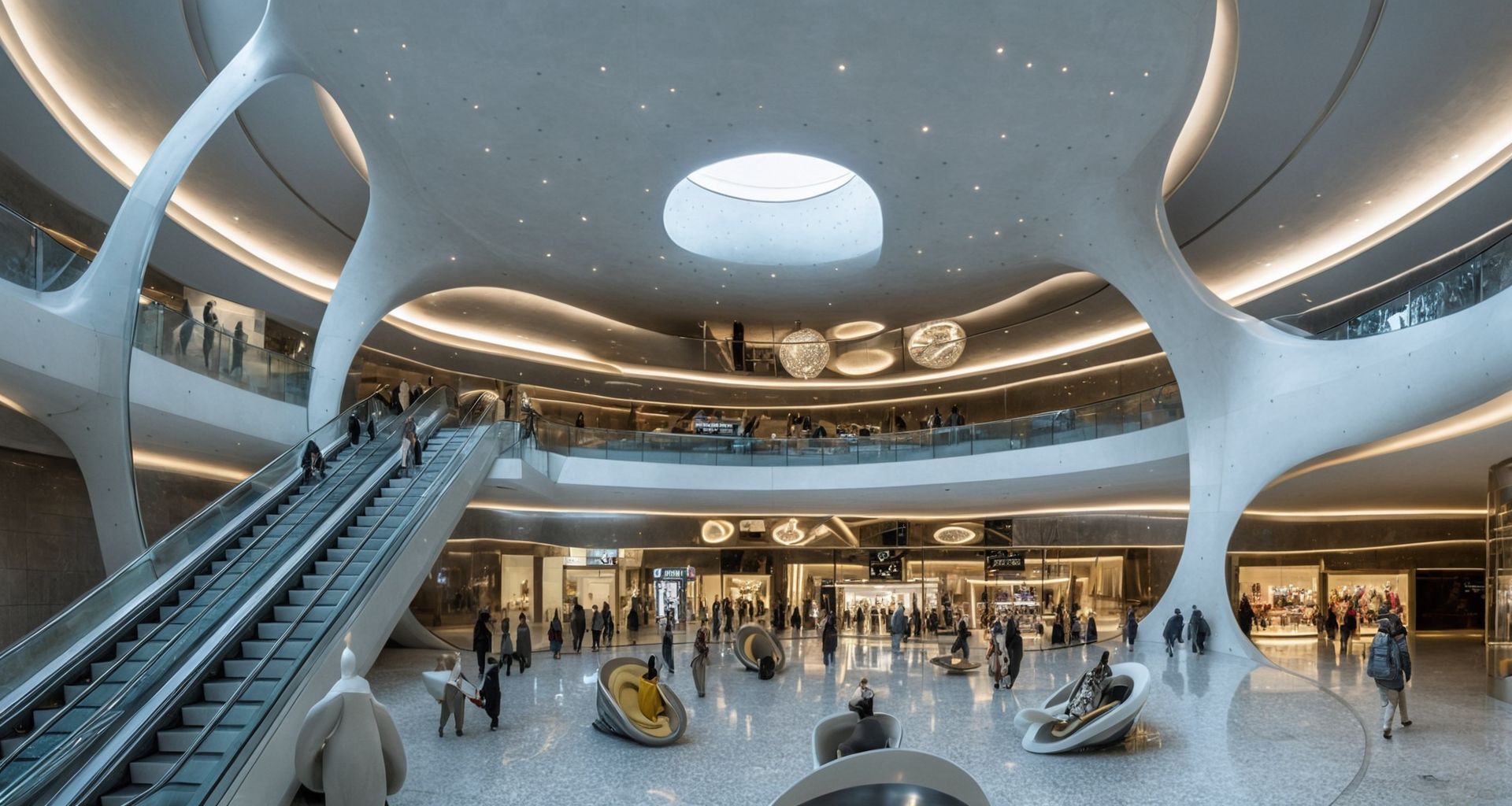
We also use AI to produce highly realistic, photo-like renderings. Clients respond very positively to the speed and quality of these results, but again, only under the condition that the spaces have already been thoroughly designed.
Design models, design sketches, and design references form the foundation of our presentations—and they are also the essential basis on which AI can operate.
What we never do is proudly present a result generated from the prompt “AI, please design this space for me.”
Instead, we generally adopt a three-step, progressive approach in our presentations:
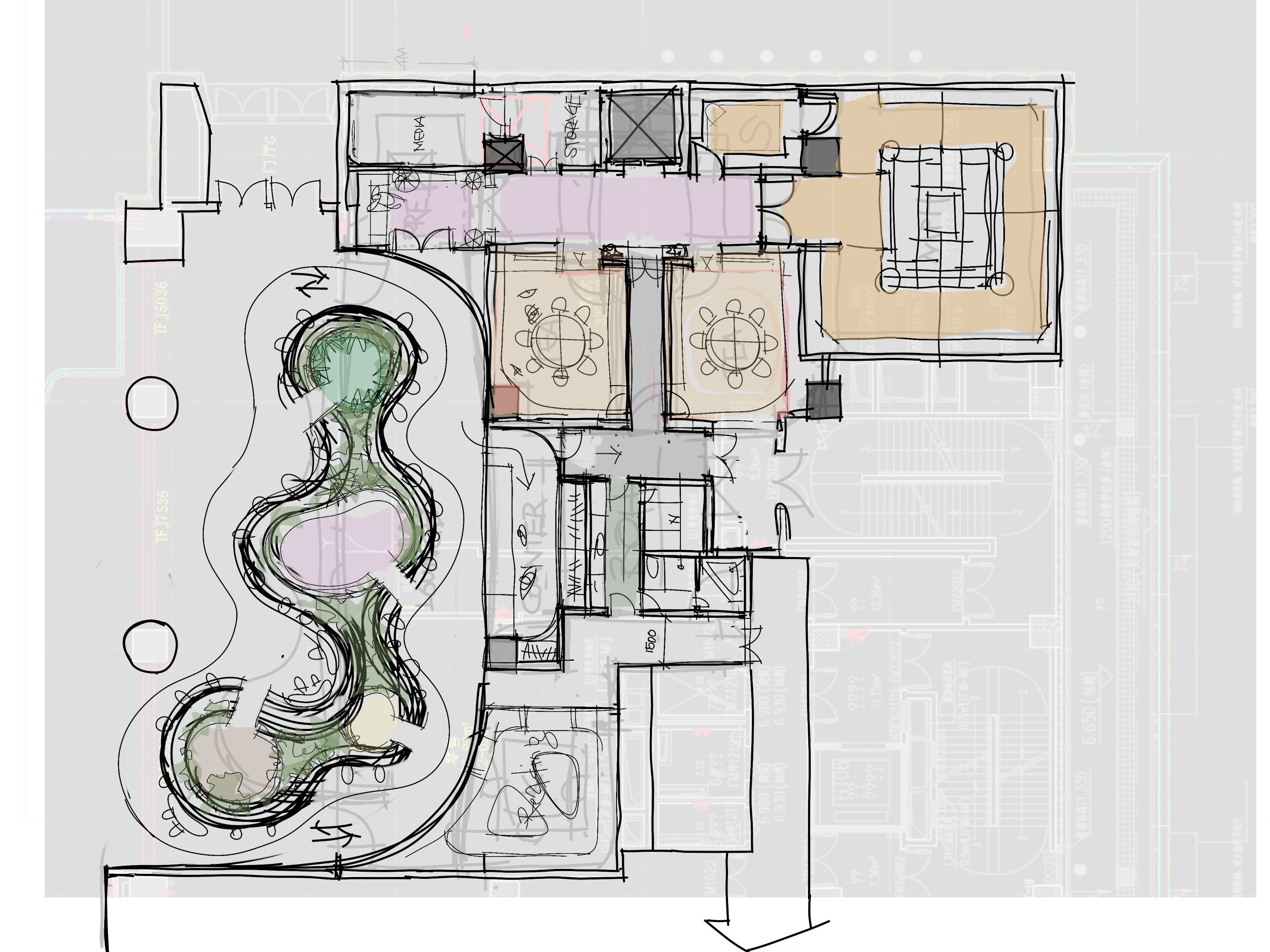
First, we show the existing condition of a space and clearly explain what the problem is.
Second, we present our design models or design sketches from the same viewpoint.
Third, we show the AI-generated visualization and explicitly state that it was generated by AI, demonstrating to the client that this result was produced under clear design guidance.
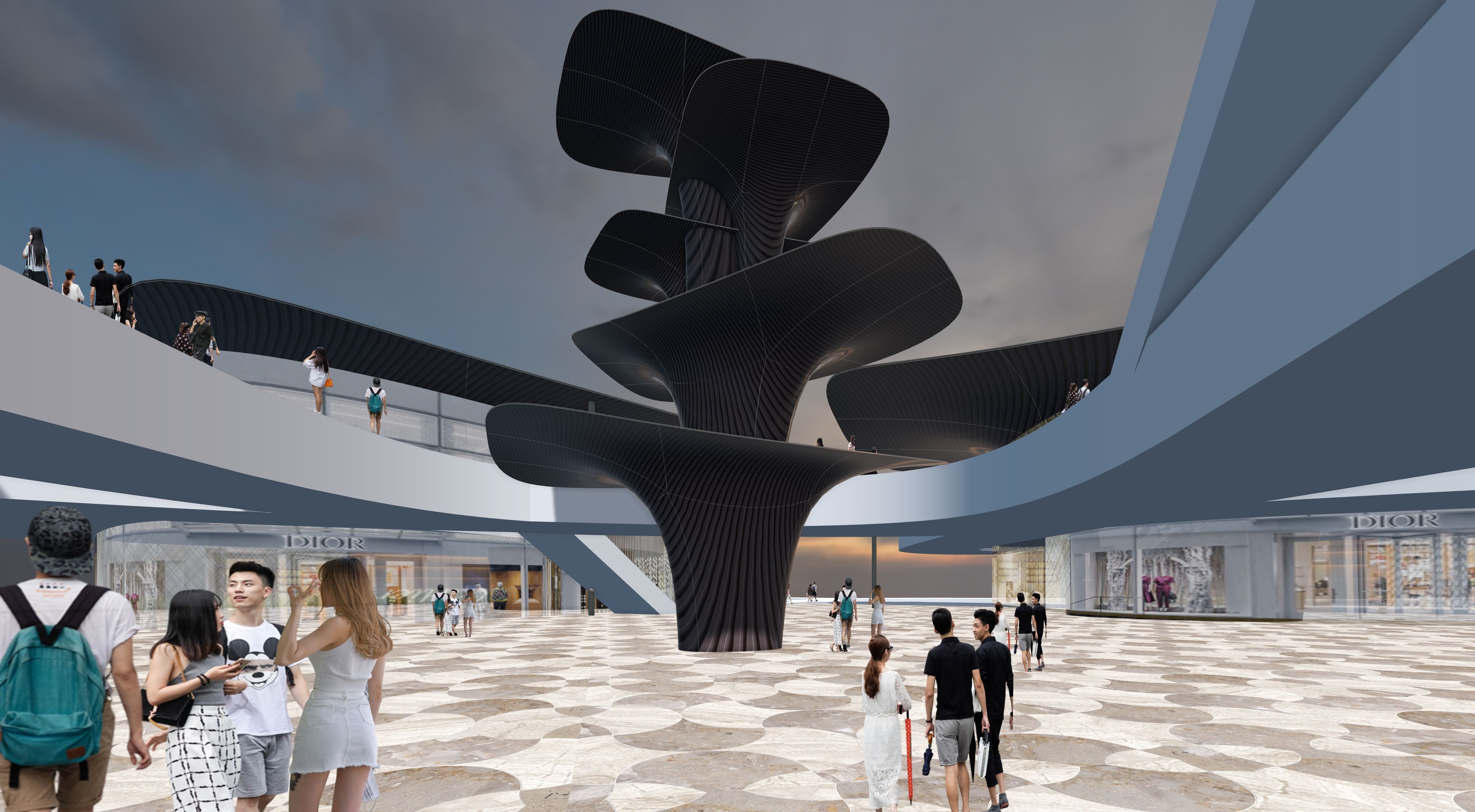
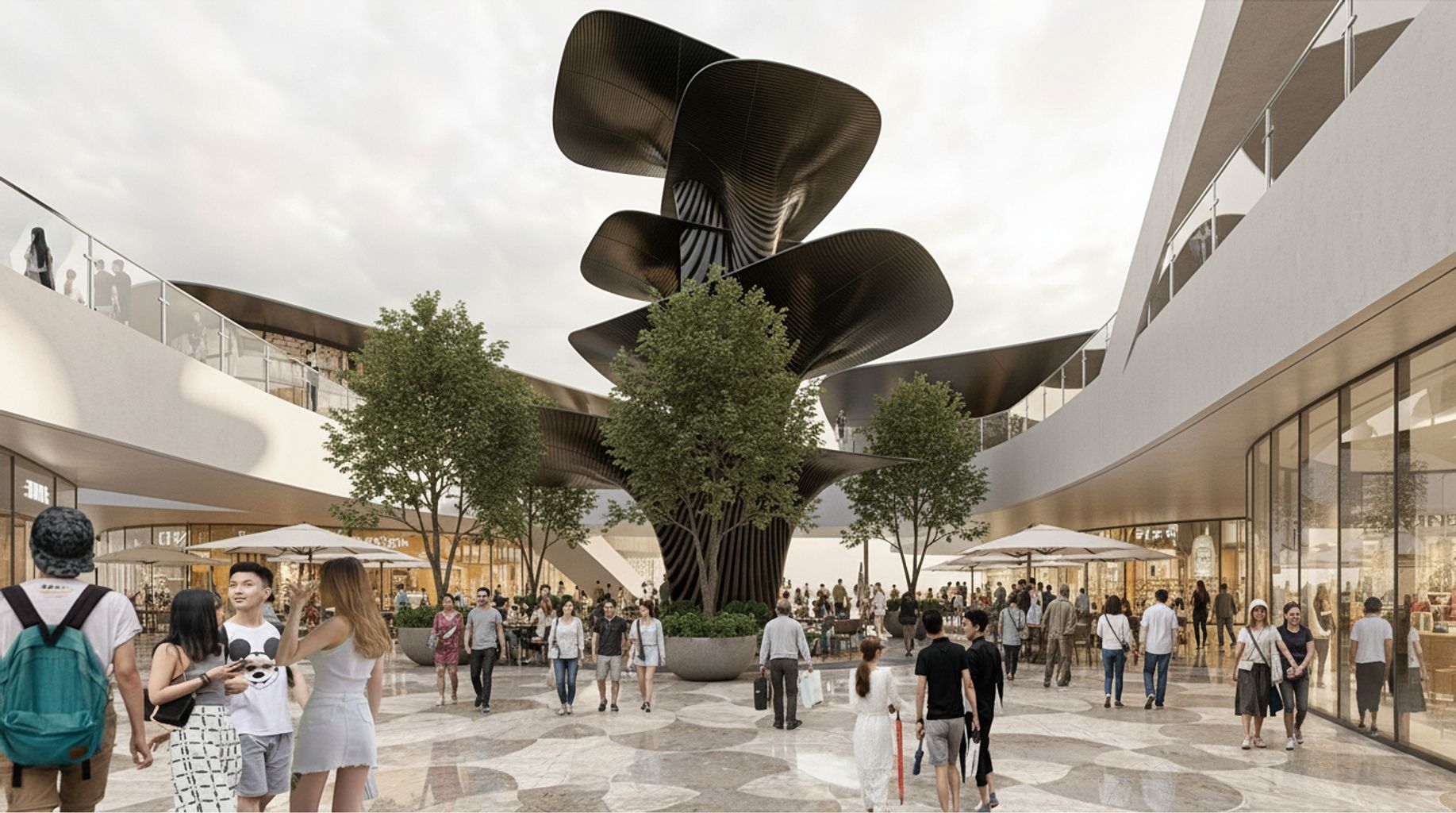
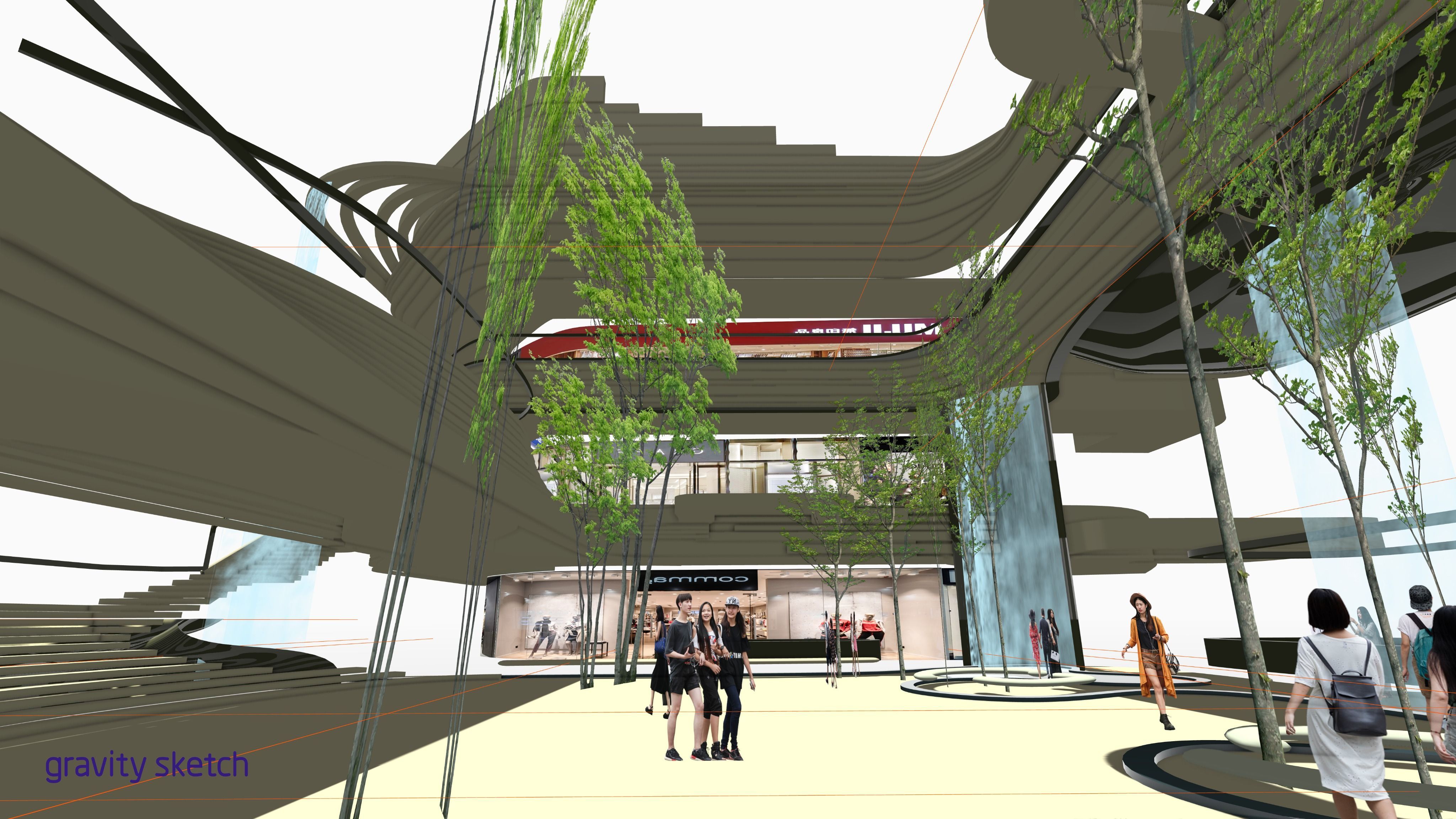
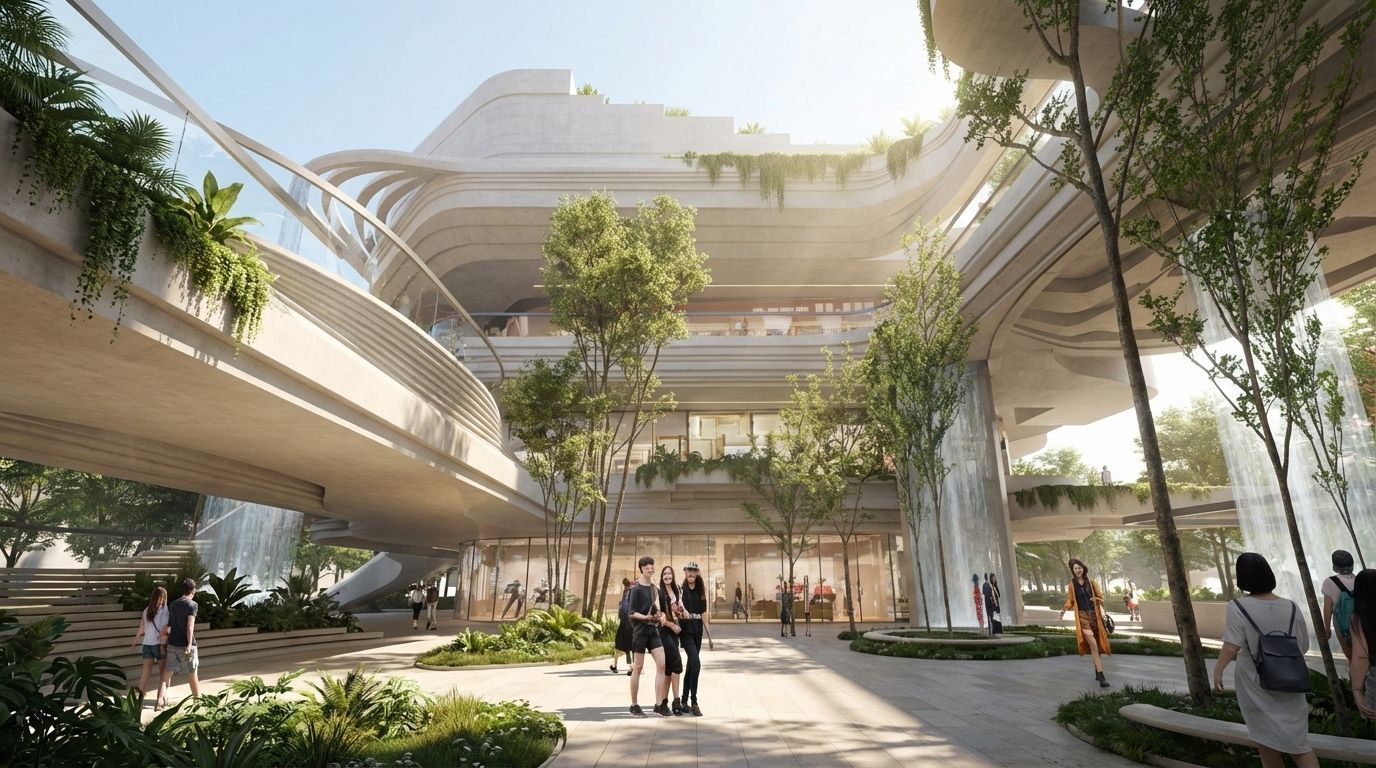
Only in this way can we reduce the client’s doubts and ensure that the substantial investment they made has purchased real design—not a beautiful but illusory image.
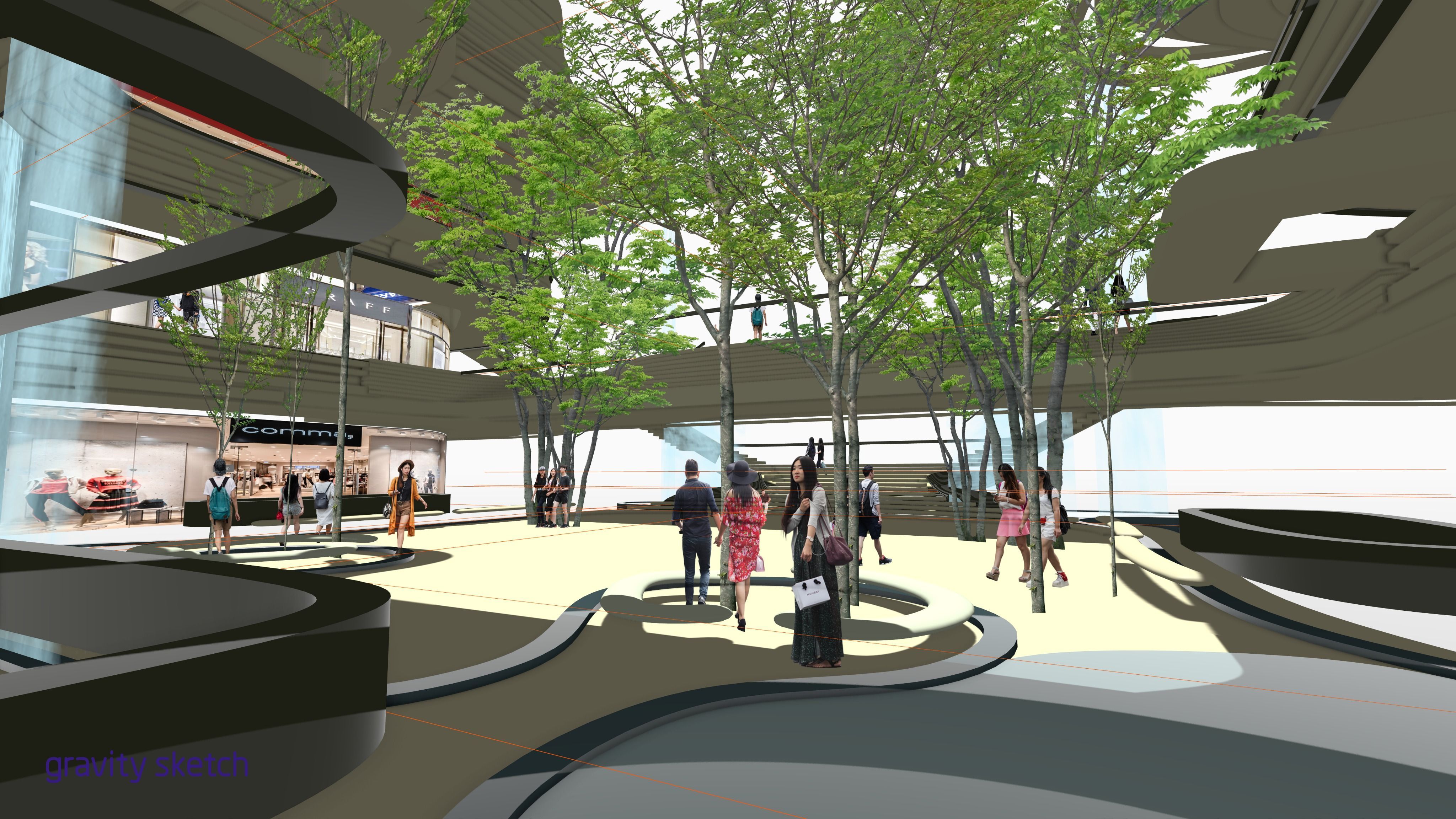
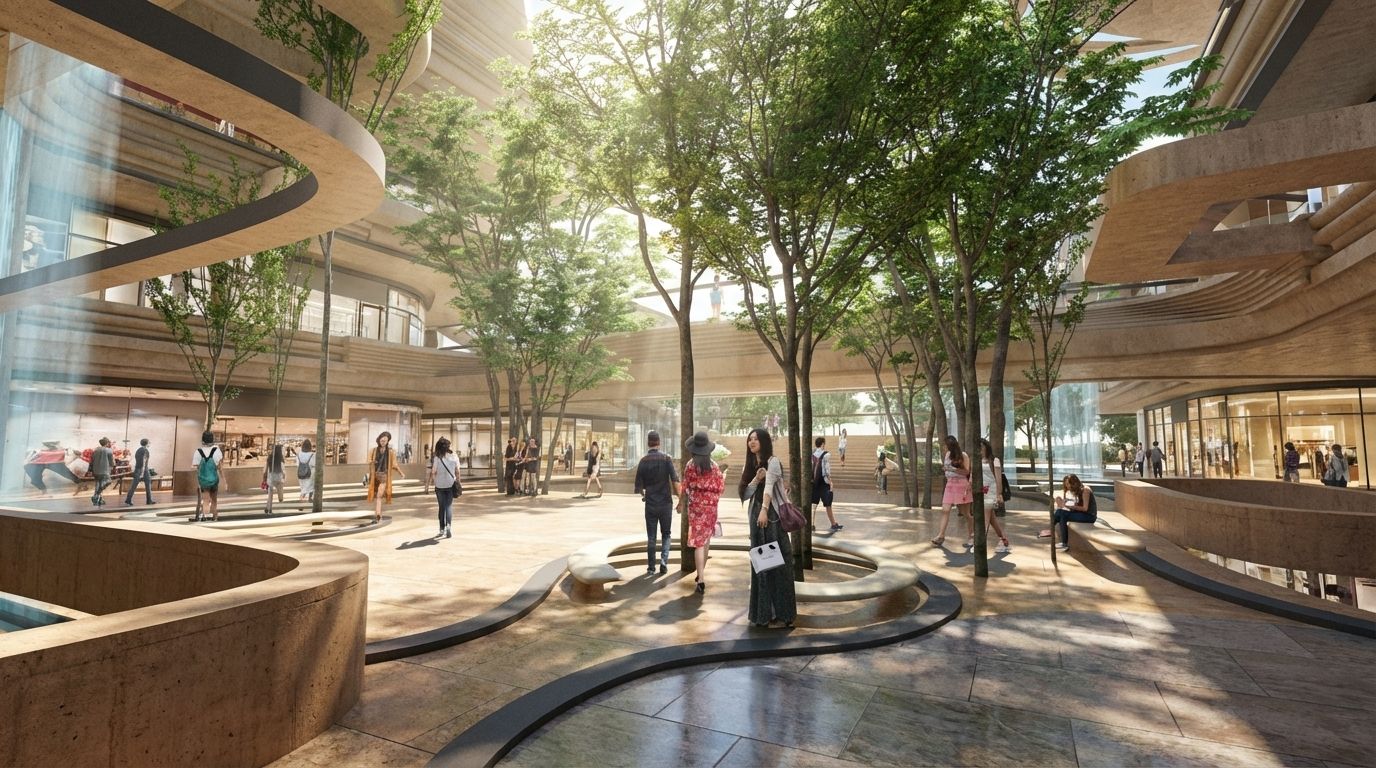

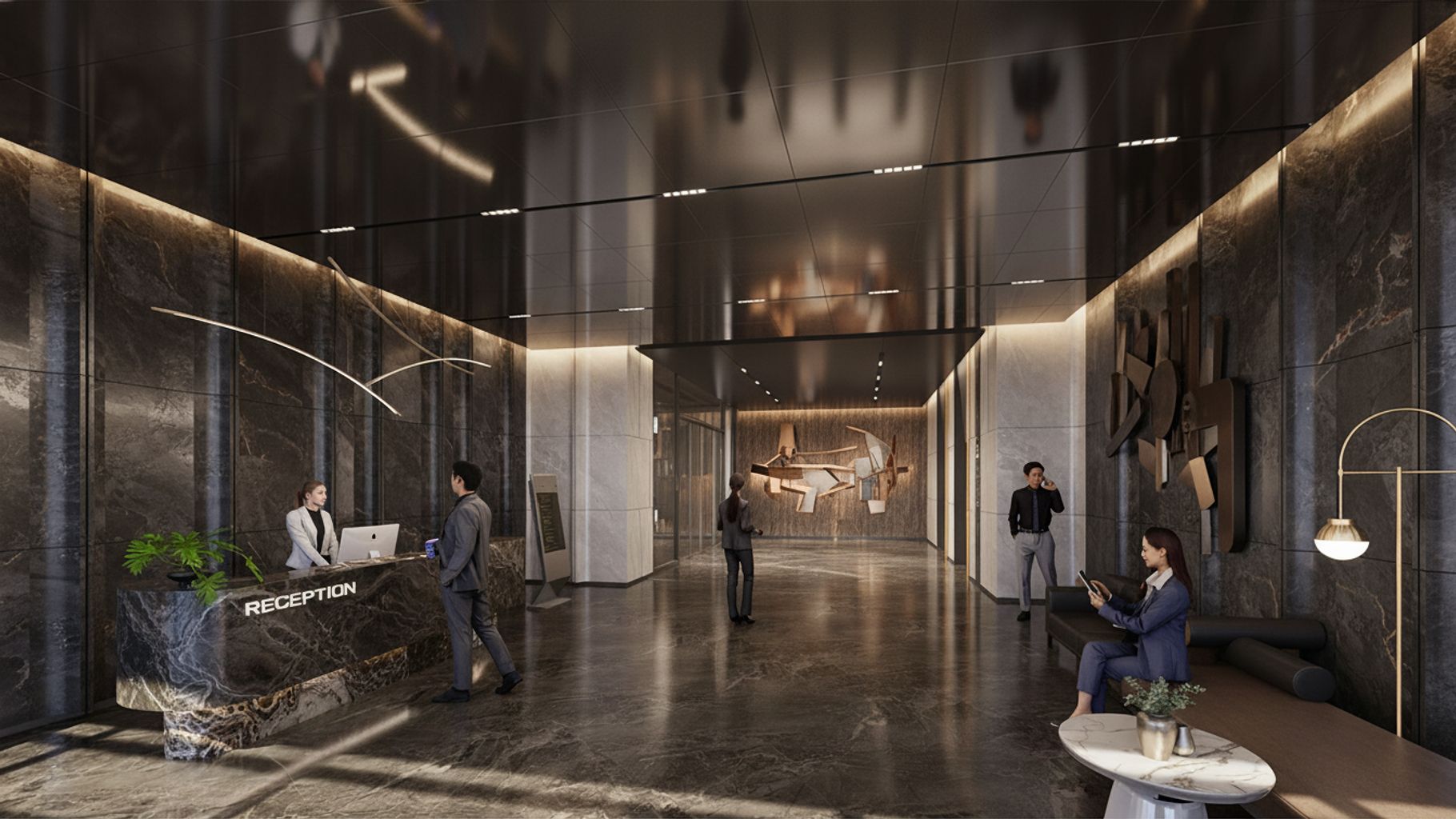
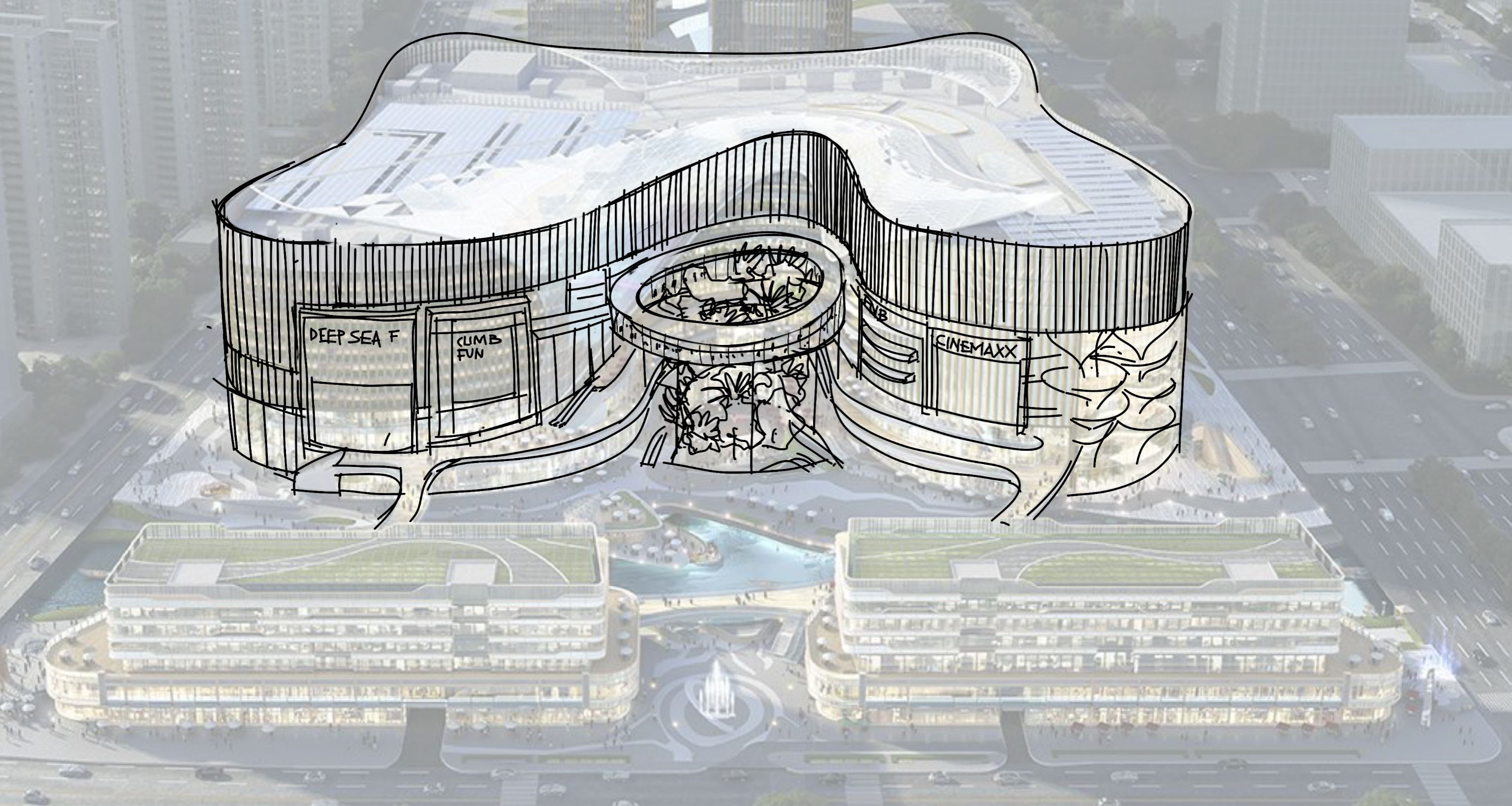
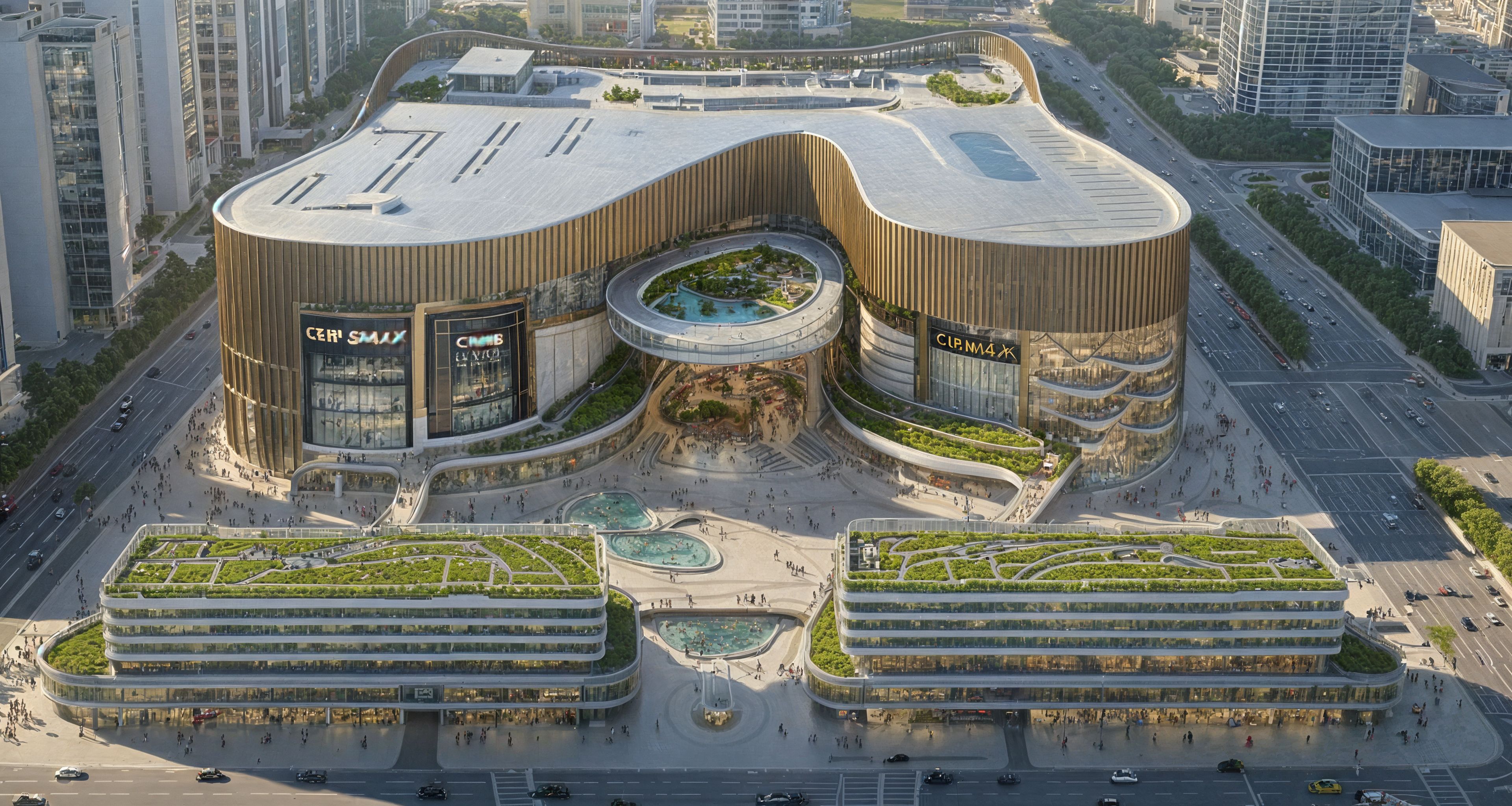
Of course, not every AI-assisted presentation proceeds smoothly. In one important competition with an extremely tight schedule, we used AI and chose to shorten the presentation by omitting parts of the design process and the intermediate models. As a result, our proposal was questioned by the client, and we ultimately lost the competition.
From another perspective, this confirms that the trust issue is the original sin of AI’s powerful image generation capabilities.
Design requires appropriate modes of proof to demonstrate that a beautiful image is not merely a dream.
4.Does AI Raise the Barrier / Create Industry Moats? – NO
Here is the same image rendered at two different points in time.
In 2023, using a locally deployed Stable Diffusion setup, it took more than an hour to produce this result. Due to hardware limitations of local GPUs, the image resolution was low, details were unclear, and distortions were severe.
Two years later, using well-known platforms such as Grok or tools we frequently use like Visoid, a smooth, clean, and usable 4K rendering can be generated in less than a minute. This contrast illustrates the rapid progress of AI over the past few years.
In the early days, people argued that using AI would eliminate those who did not use AI. The reality turned out to be quite the opposite: AI is simply too easy to use. As a result, everyone started using it.
AI does not require users to practice drawing diligently, nor does it demand memorization of large sets of commands. It delivers results directly.
Did AI replace interns? No. Young interns are often the happiest users and the most familiar with new styles.
Did AI replace senior designers? No. Senior designers’ sketches can now be transformed directly into visualizations.
Did AI replace draftsmen? No. Draftsmen, assisted by AI, now work faster and produce better results.
Like many other industries, AI is driving a process of professional flattening—maximizing individual capabilities while simultaneously raising the overall standards of the profession.
More importantly, this development leads to higher demands on design itself.
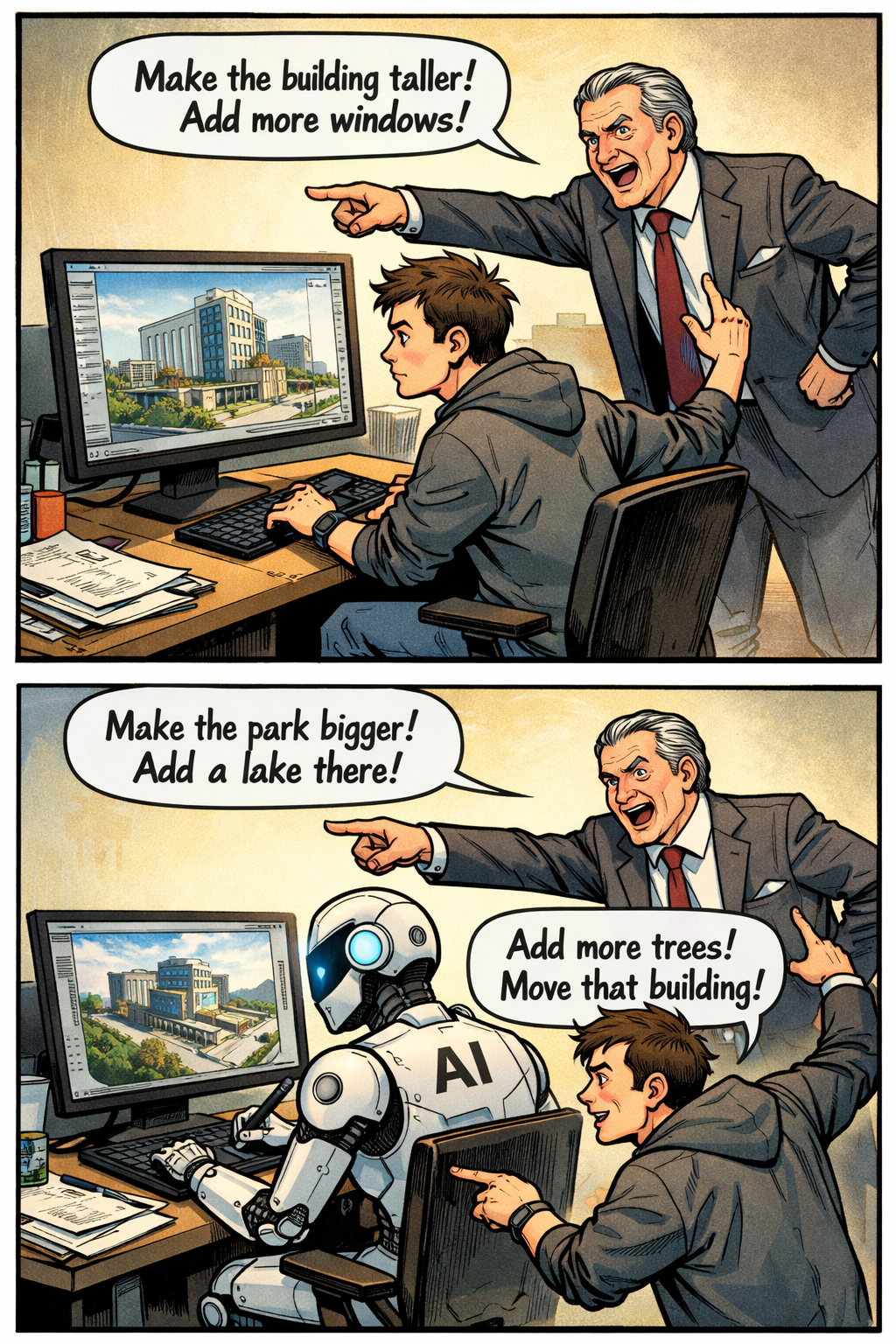
In my own practice, I increasingly find myself asking: Wow, such a beautiful image was generated so quickly—but is the design really this simple? Other competitors can produce equally attractive images just as fast. So where is the true strength of my design?
What determines success is no longer whose images look better, but who has designed something more compelling.
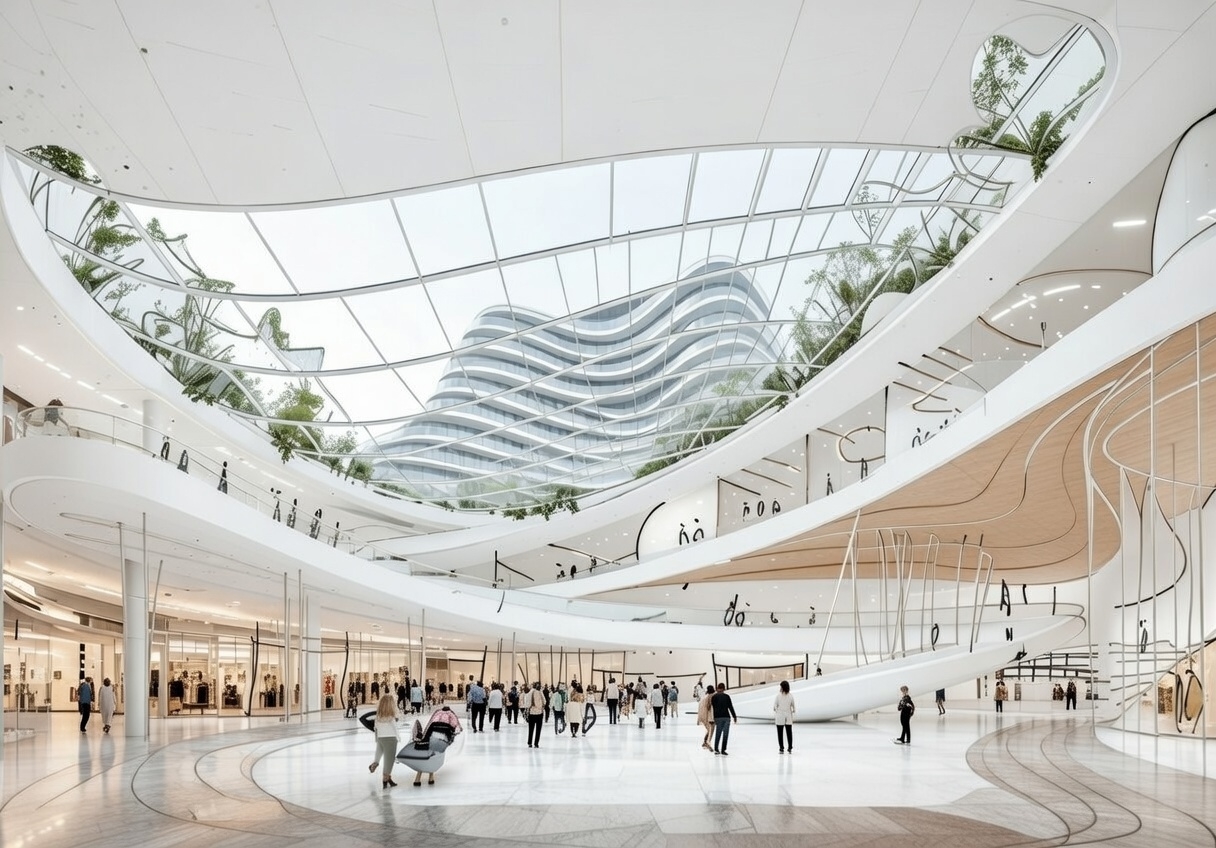
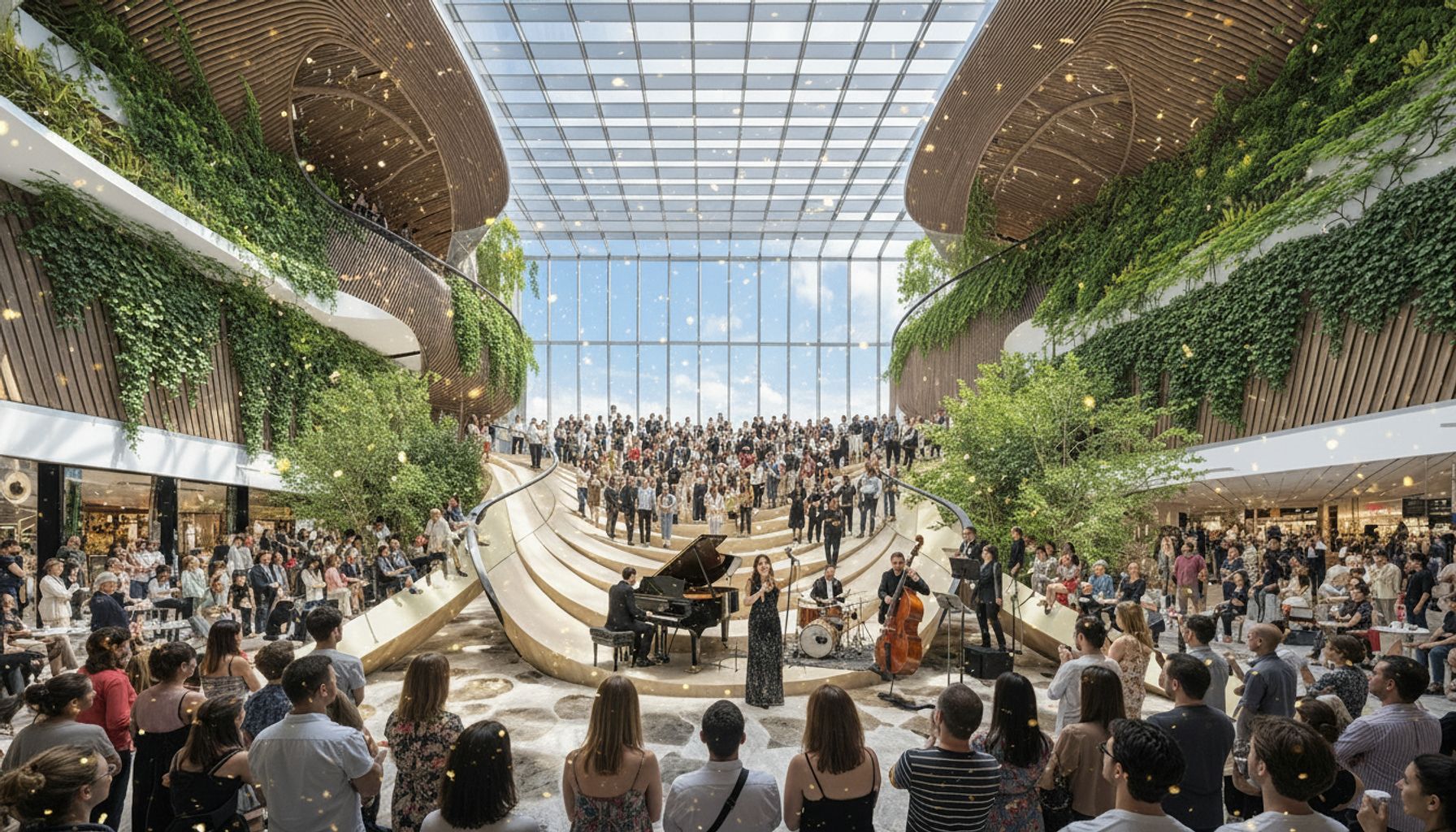
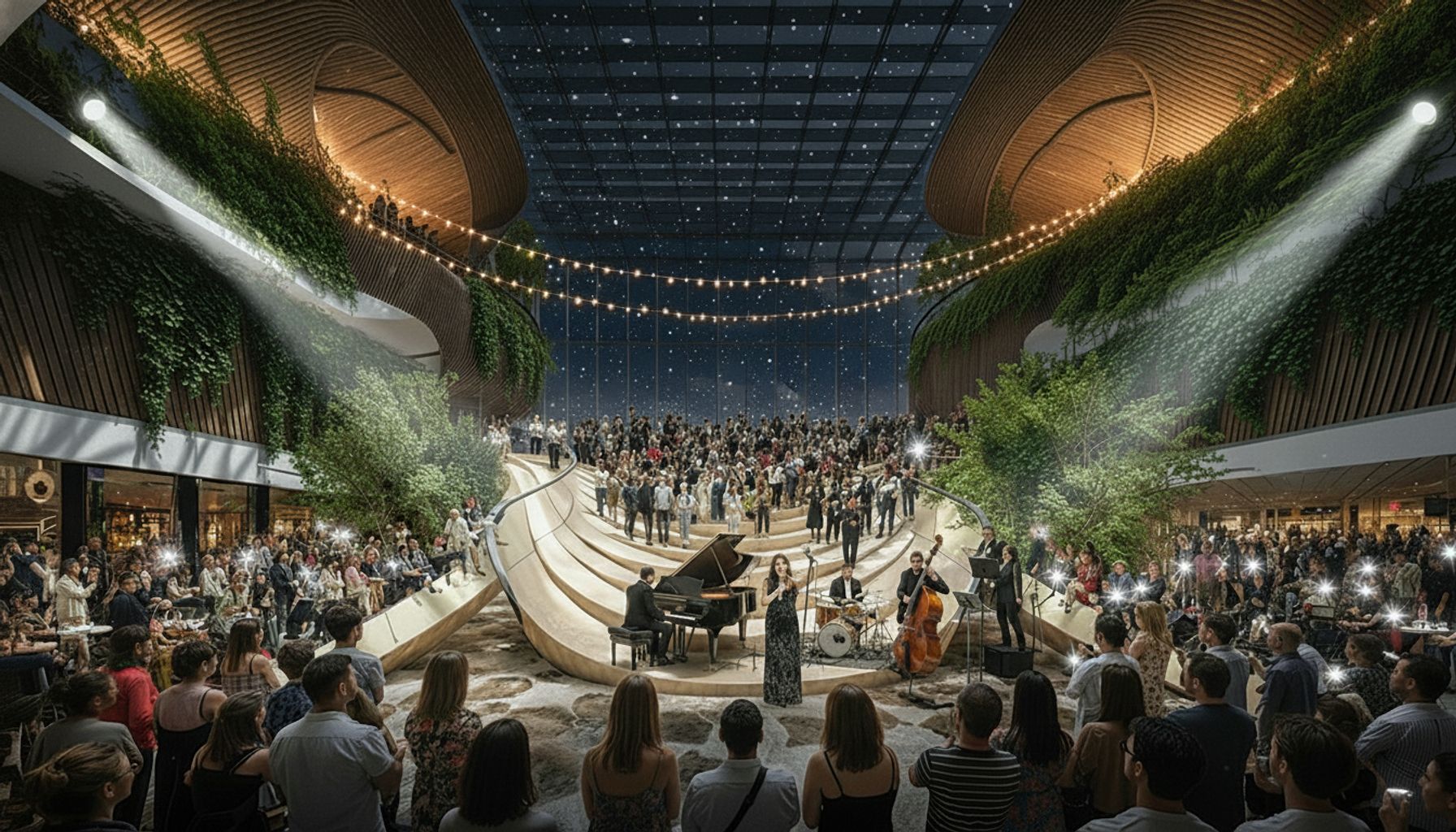
Conclusion
A writer is not simply someone who writes.
A writer is someone who builds a world through language.
Writing is a technique.
Building a world is an intention.
Only when a person knows what they want to express—and is willing to take responsibility for it—can they truly become a writer.
 DKKD
DKKD 